
14 JAN 2022
The importance of urban green spaces for biodiversity
Urban parks and green corridors are becoming critical refuges for wildlife as natural habitats continue to shrink globally.
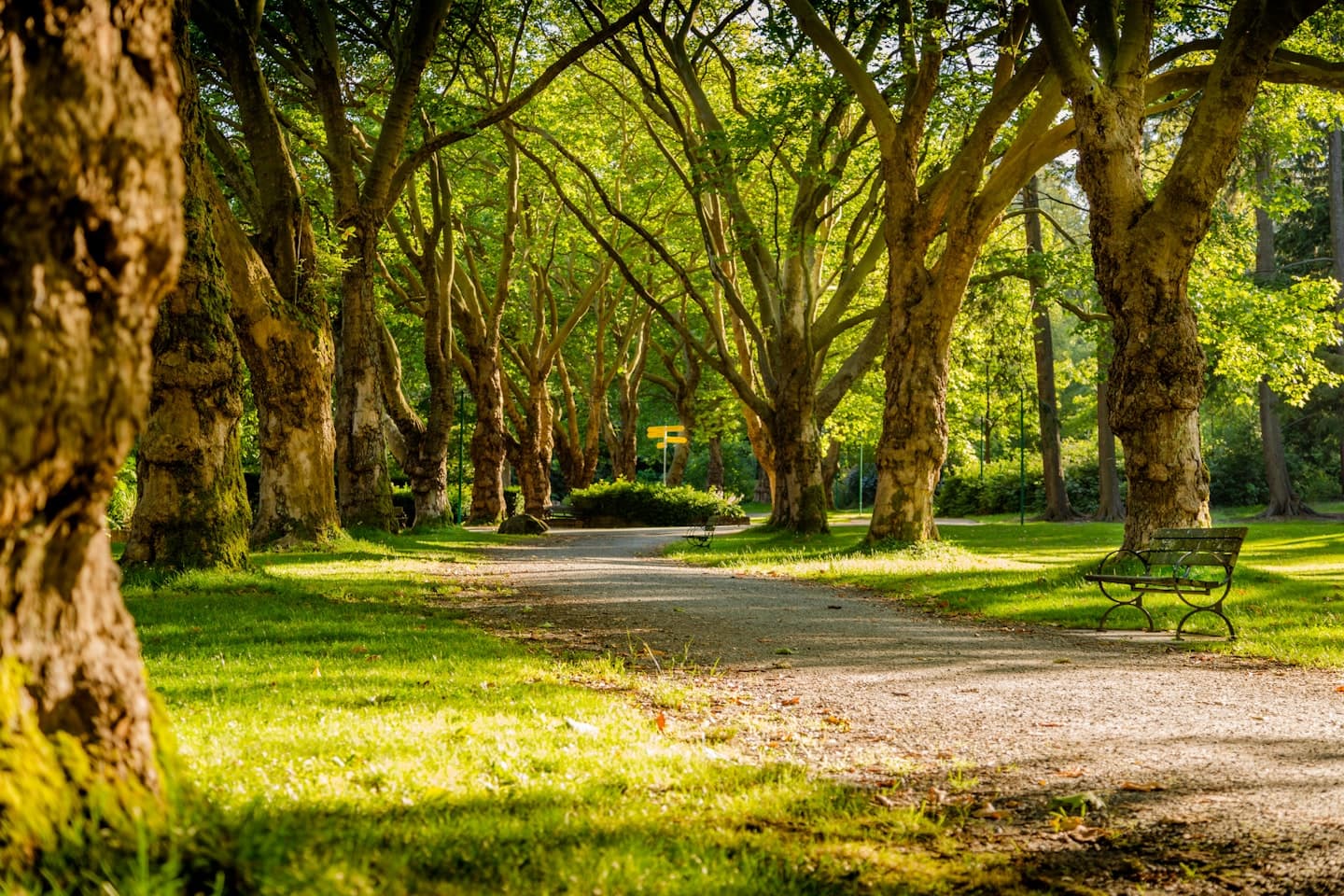
How city parks and green corridors are saving urban wildlife
As cities continue to expand, the natural habitats that once surrounded them are disappearing at an alarming rate. Urban green spaces — parks, gardens, green rooftops, and tree-lined streets — are increasingly becoming the last refuges for many species of birds, insects, and small mammals.
Research conducted across major European cities has shown that well-connected green corridors can support up to 60% more biodiversity than isolated patches of greenery. The key lies in connectivity — allowing animals to move freely between green areas reduces isolation and supports healthier populations.
Benefits of Urban Green Spaces
- Provide habitat for pollinators such as bees and butterflies.
- Reduce urban heat island effect by up to 8°C.
- Improve air quality by absorbing pollutants and CO2.
- Support mental health and wellbeing of city residents.
- Help manage stormwater and reduce flooding risks.
How Cities Are Responding
Forward-thinking cities like Singapore, Vienna, and Copenhagen are leading the way with ambitious urban greening programs. These initiatives include mandatory green roofs on new buildings, rewilding of riverbanks, and the creation of wildlife corridors connecting fragmented habitats across urban landscapes.