
22 AUG 2022
Soil degradation: the invisible environmental crisis
We walk on it every day without a second thought, but healthy soil is one of our most precious and threatened natural resources.
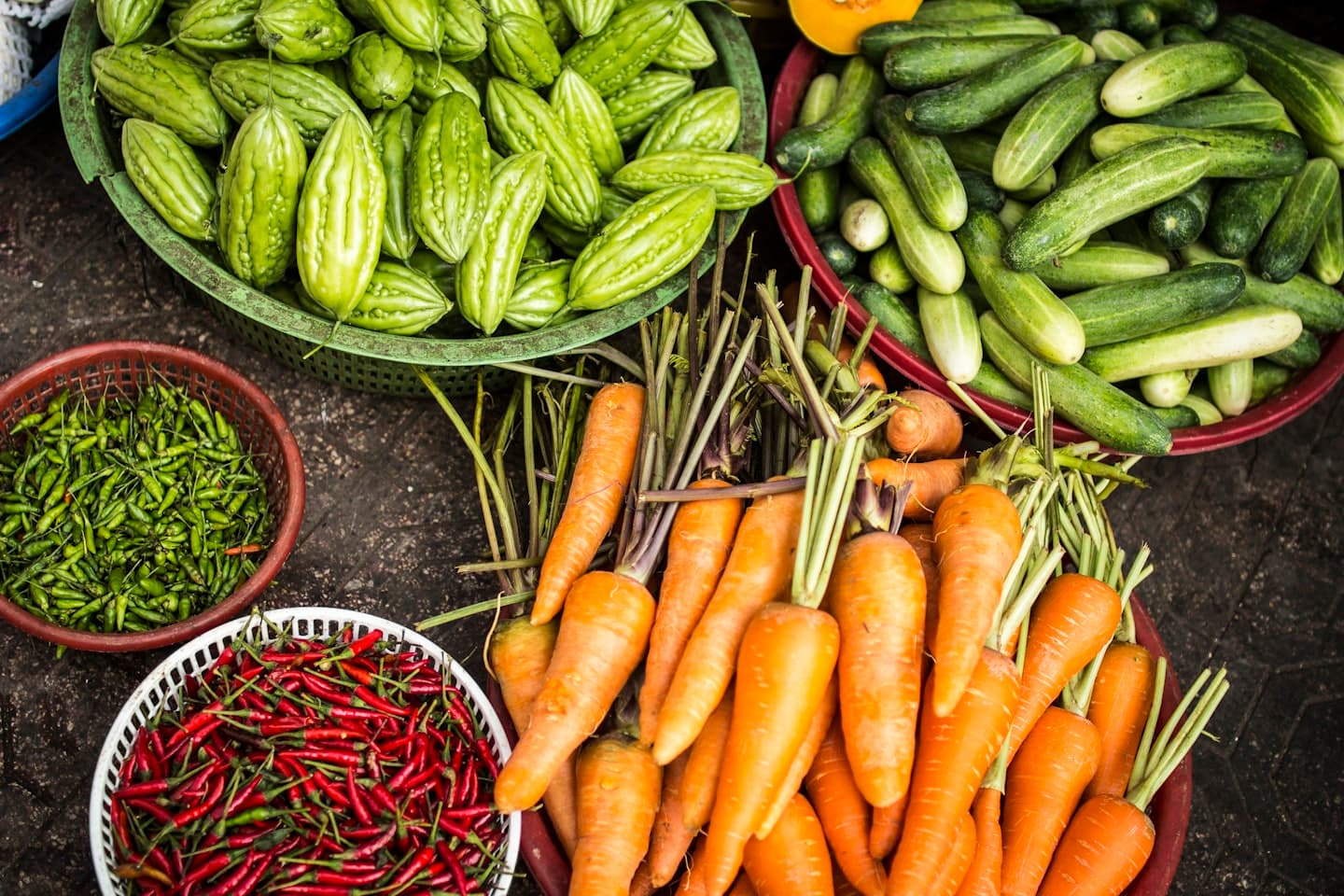
Why healthy soil is the foundation of all life on Earth
Soil is far more than just dirt. It is a complex living ecosystem teeming with billions of microorganisms, fungi, and invertebrates that make life on Earth possible. Healthy soil stores carbon, filters water, and provides the nutrients that grow the food we eat. Yet modern agricultural practices, urbanization, and pollution are degrading soil at an alarming rate.
According to the United Nations, one third of the world's soil is already degraded, and without urgent action, up to 90% could be degraded by 2050. Soil degradation reduces agricultural productivity, contributes to desertification, and releases stored carbon into the atmosphere — accelerating climate change.
Threats to Soil Health
- Industrial agriculture depletes soil nutrients faster than they can be replenished.
- Pesticides and herbicides disrupt the microbial communities that keep soil healthy.
- Urbanization seals soil under concrete, cutting it off from the water cycle.
- Erosion from deforestation strips away topsoil that took centuries to form.
Regenerating Our Soils
Regenerative agriculture practices such as crop rotation, cover cropping, composting, and reduced tillage can restore degraded soils and rebuild their carbon-storing capacity. Supporting farmers who adopt these practices, reducing food waste, and choosing organic produce are all meaningful ways to contribute to soil health.